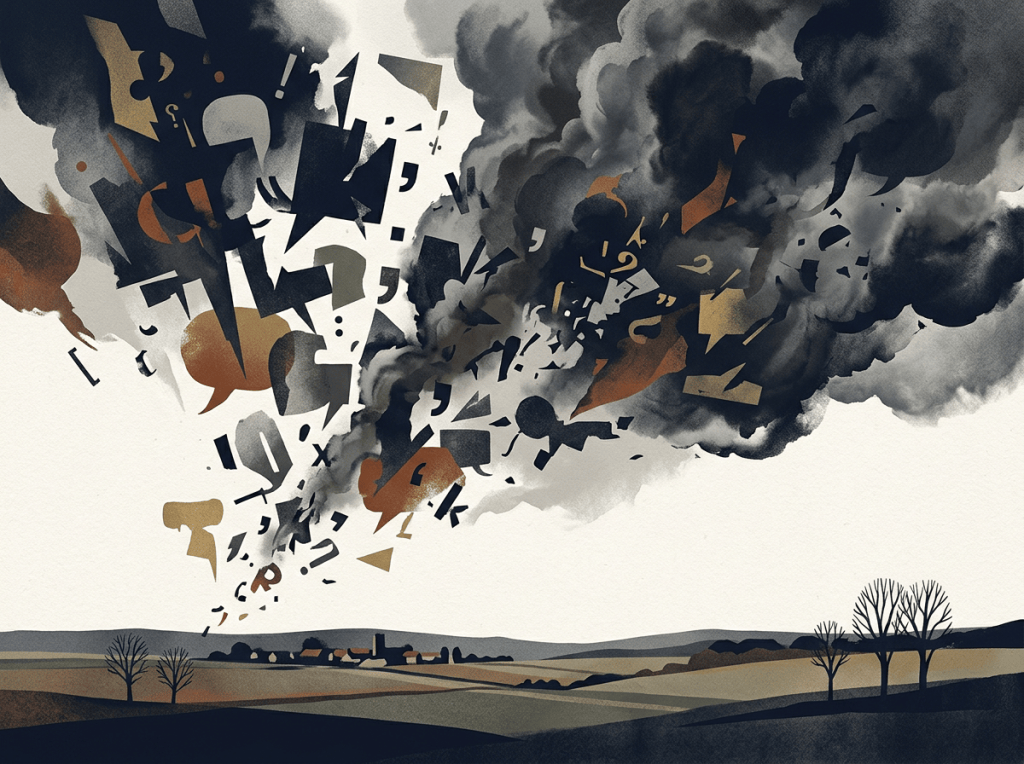
Most don’t remember the classroom sessions about the conditional tense in grammar school or junior high. We yawned, looked at cute classmates, or daydreamed as the teacher rambled about should, could, would, may, and might. Boring. Even its “name” was boring: Conditional. As teenagers, words, actions, and behavior had a conditional flavor. More simply, ideas and actions were right because adults said so. Our thoughts were irrelevant.
Reflection usually proves them, meaning adults, correct. We thought we knew what life was, but we didn’t. We had learned, for better or worse, a narrow slice. For me, the older I get, the wider the slice, which, again, is for better and worse. We have learned that ideas and actions come with conditions. For example, is it morally wrong to steal? Well, that depends on the conditions (or context) surrounding the action. Usually, the answer is yes. What if (notice the condition) the individual was stealing food to prevent a child from starving? Still illegal, but few of us would consider it immoral. In this circumstance, the condition alters the morality of the action, as it should. So, contrary to our adolescent minds, the conditional tense can significantly affect our judgments on human behavior.
I apologize for this recounting of the conditional tense, but it can have the opposite effect.
Recently, attorneys for the Trump Administration have adopted the conditional tense, a rarity in the legal field. The New York Times reported that the White House warned that “that congressional investigations ‘may cross the line into blatant criminality.’” Later in the article, the Times reported, “Aaron Reitz, the U.S. attorney for the Southern District of Texas, sent a letter to Mr. [Senator Richard] Blumenthal on Wednesday, warning of ‘significant legal consequences’ should he continue to pursue an investigation into the ballroom donors.”
The phrases used have been called threats or warnings. Either way, they’re stupid. At this moment, I could warn you that if you take a shower, you could get seriously injured. Am I wrong? Probably; otherwise, we’d stink in a week. Or I could say that if you walk out the door, you could commit a crime. Is that true? Yes, but rarely. When you and I walk out the door, we have no intent to commit a crime, and 99.9 percent of the time, we don’t. The question to ask is: Why would I point at the possible? To frighten you for some bizarre reason?
I doubt any congressional representative or Senator investigating any action plans or even thinks they are committing a crime. Again, it would be stupid on their part, and as much as I agree or disagree with any of these individuals, I do not believe they are planning to do commit a crime during an investigation of another person violating the laws of the land. That too would be stupid. Again, I don’t believe they’re stupid.
Rather than using the conditional tense, which I have used throughout this piece, to point out the possible or probable, individuals in the Administration employ the conditional to point out the possible, not to help these congressional representatives, but to intimidate them, essentially twisting rhetoric to threaten, not to protect.
Please comment, like, and share this piece.


Leave a Reply