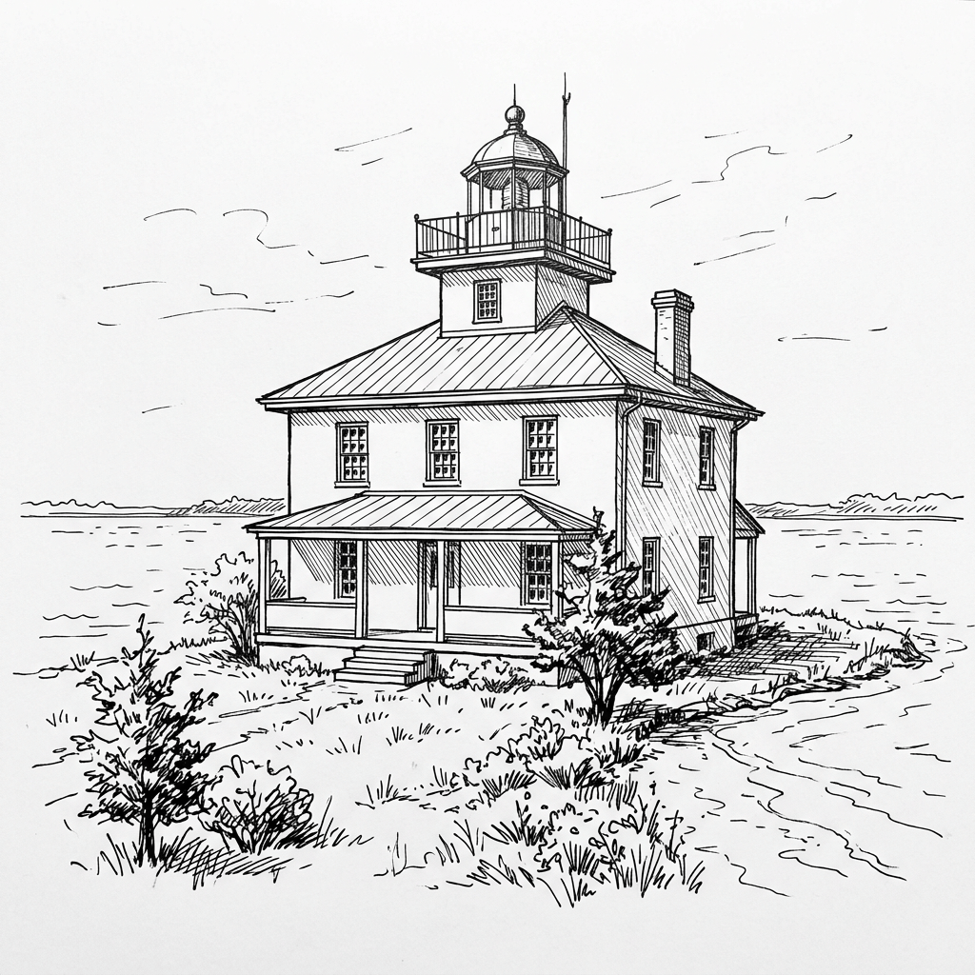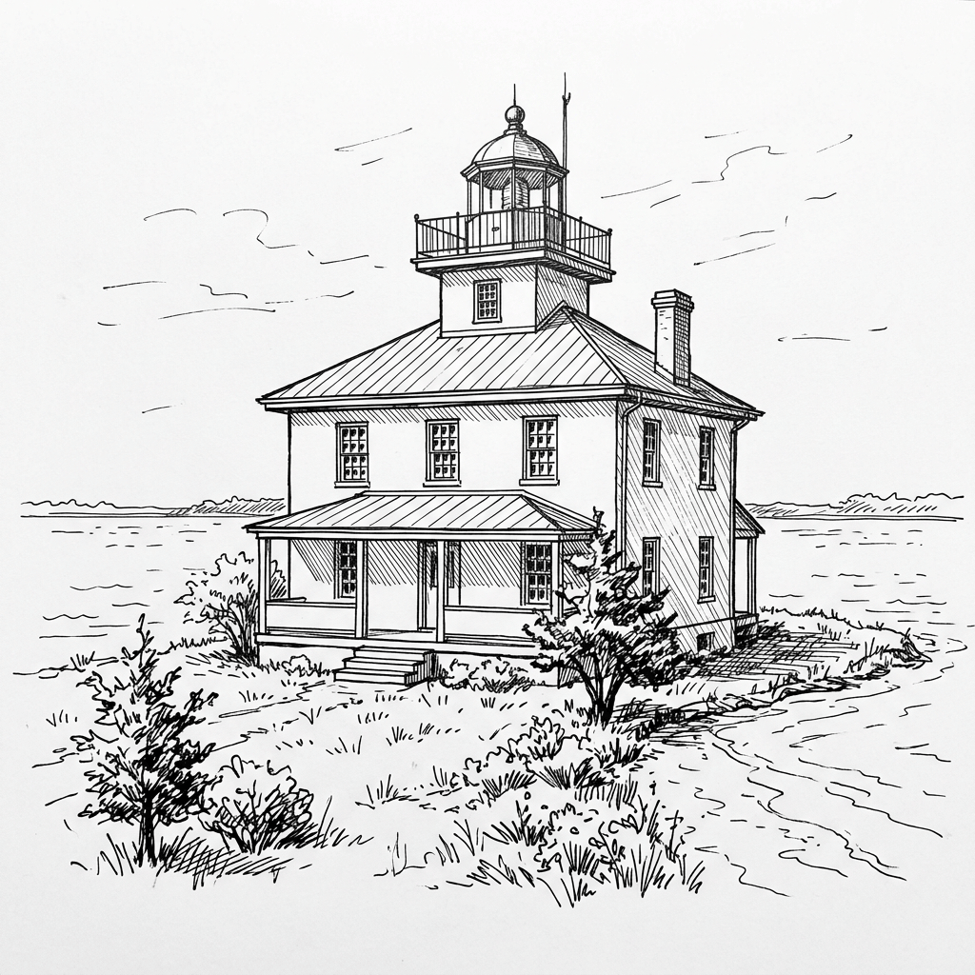
Great Cause to Weep: Effie asks her husband, Geoffrey, to kill her. She dies, and he is left with a lifetime of memories with his only true friend, guilt about his involvement, and a need to reconnect with his sons. Even though he is nonreligious, he joins a church group on an Eastertide road trip to Orlando. Most of his fellow travelers are also escaping ghosts. They tell stories to pass the time. With each tale, Geoffrey picks at his past; his anger swells, and his memories and anger beat him. The bus stops at BWI, and they kick Geoffrey off. That’s when he finds his road to redemption.

For a Dignity Deserved: When my grandson came into my son’s life, I was thrilled, excited, and nervous like most new grandfathers. My grandson is African-American, and the joy of birth was interrupted by my fears for him, fears I never felt when my white sons were born. I knew that Americans like me, European Americans, needed to change. Our narrative—the imposed national narrative—needed to accurately reflect where we started as a corrupt society and how, five centuries later, it mutated into a warped notion of equality. We have rationalized the economic, social, psychological, political, literary, and lexiconic implications of racism. We embrace fallacies and distance ourselves from a fettered history that disguises our past and alters our tomorrows. We hug them so tightly that we distort perceptions of the present, its people, and their actions.
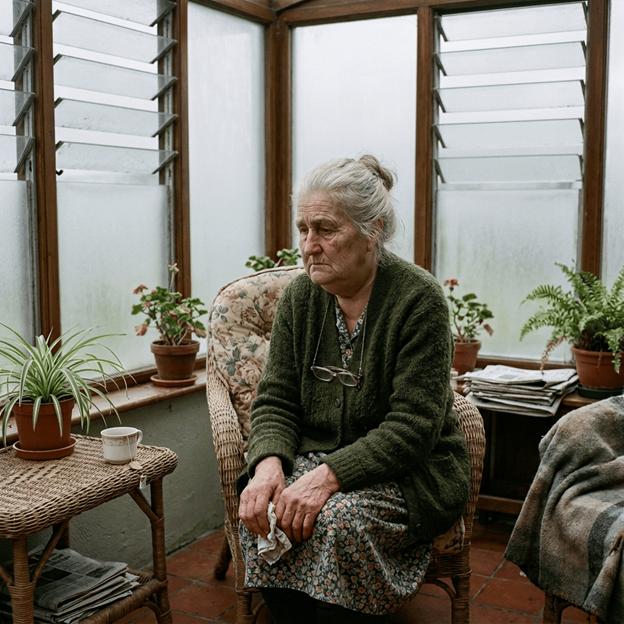
The Likeness of Being Joan: Joe finds a family secret about his great-grandmother published in a 19th-century edition of the Brooklyn Daily Eagle. He shows his mother. She is intrigued as she reads, only to wobble into her netherworld. He dislikes the woman. As a son tries to understand his mother, his journey takes him through the lives of three women. Using primary sources, tales told by his mother, his remembrances, and his imagination, he looks back at his great-grandmother and grandmother to see how their lives shaped his mother’s. The story explores life in Brooklyn from the end of the 19th century forward, societal norms for women, and evolving family relationships to help a son to define his relationship with his mother.