Great Cause to Weep
Death is the end of every worldly sore.
Geoffrey Chaucer, Canterbury Tales
Chapter One
Burying Maine
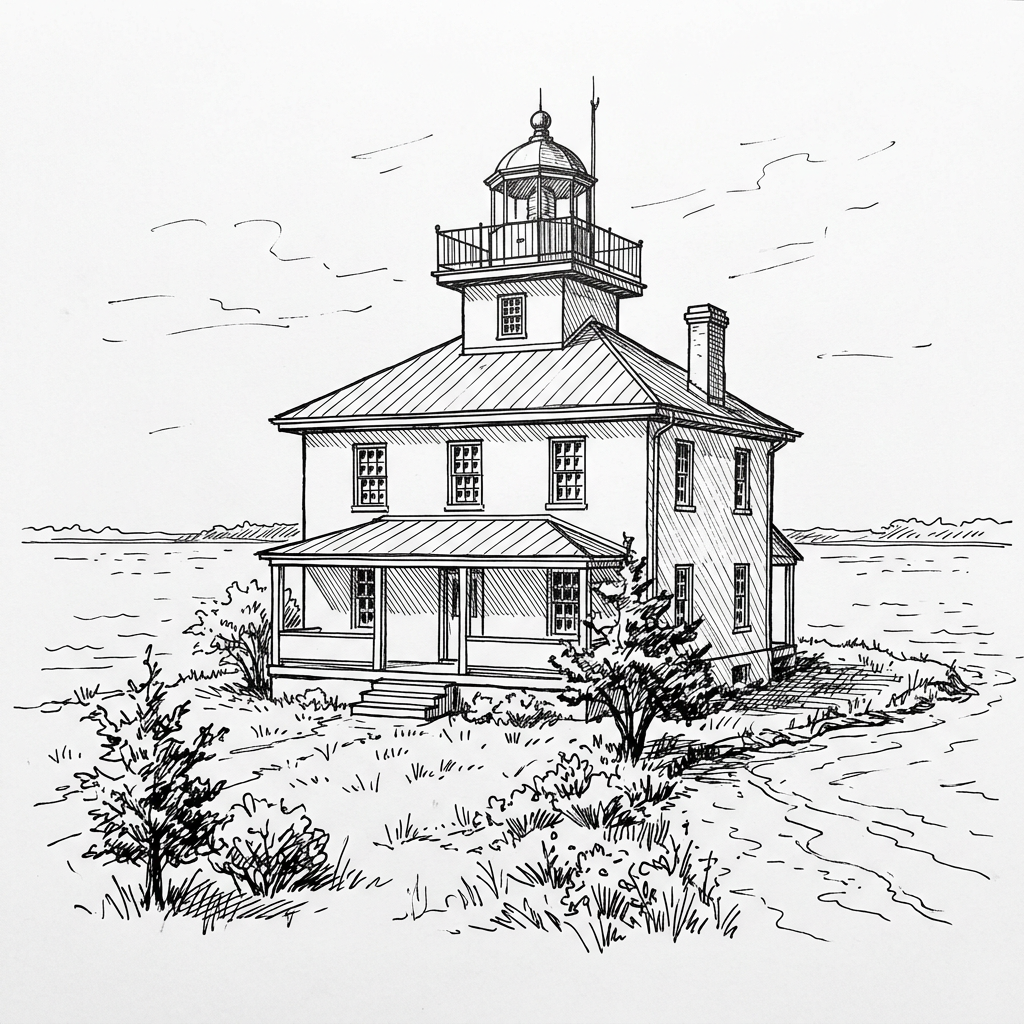
They’ve left—finally.
I walk to the bedroom, the shades drawn. I pull down the two-foot by three-foot map of Maine framed in the wood she and I had rescued in Eastport. A two-hundred-year-old barn had been torn down, and the wood sat in a pile near the street. We were driving by and decided some planks needed a home. After two weeks of cutting, sanding, jointing, and staining, a frame for her two-foot-by-four-foot map of Maine emerged.
I drop it on our bed. Lift the lighthouse pictures from their hooks and throw them on the map. Pick up the pile. Climb the stairs. Weave in and out of the shalom of winter clothes, Christmas ornaments, and crap we had forgotten we saved. Bump into the miniature car racing track Peter and I laid a dozen years ago. Inch around the batting screen Billy and I built when he played in high school six years ago. And toss the pictures onto the floor in front of the window at the far end of the attic.
Glass from the picture frames shatters, scattering glints of sunlight over her once-protected memories.
I look around. The attic is large, almost a room. Squints of light pass through the small window. We never had the money to finish it, our dream when we purchased the old place. Time has dissolved the dream room into a mausoleum, smothered in a miasm of grubby, stale, and friable mementos. I imagine a small electric Bobcat excavator buzzing around, a bucket of memories, carrying them to the window and dumping them into a full-size dumpster on the front lawn. Amid the rising dust and friable, our room reappears. We hold each other—her scent, touch, and softness return. I step in tighter. I stumble before the field of Maine junk and rock to the repetitive rhythm of she’s not returning.
I brace a hand against a ceiling joist. My forefinger moves up and down, hunting for a master switch to shut off the past and shine a light on the present. The future we imagined as beautiful and peaceful evaporated with hope the day she asked me to smother half my life. I understood her surrender, but its gravitational force obliterated her future and mine. The density of her memories, our memories, deforms the then and the now, entwining the what was with the what is and what could be. The spinning emptiness compresses all I had lived for into a distorted fuddle, and the sight of her memories, of my memories of her, scattered throughout the house, draws me deeper into a blackness that squeezes me into its center. The natural flow of time and space must resume.
I grab a box of black, thirty-gallon trash bags from the back shelf of the pantry. Billow one out as I walk to the shaded bedroom. Drop her jewelry box in the bag. I pause. Return to the pantry. Pull a dusty roll of masking tape from the junk drawer. Tape the open edge of the bag to her bureau. I hold the bag open with my left hand, stretch my right arm across the bureau’s width, and plow through her possessions. Books and papers topple over perfume bottles, stamps, antiperspirant, thank-you cards, facial cream, a hairbrush with black and gray strands, Mass-card applications, Holy Family Parish collection envelopes, a make-up mirror, and trinkets from Maine. Slip the wedding picture from the wall. Study Effie in her white dress and me in that pastel blue tux, the one I disliked, the one she liked. The picture topples over a book. Swing the bag over my shoulder. The weight, a measure of a lifetime, yanks me back deep into the room. I resist and move forward.
No more emotion, no wondering about what could have been, what should have been, what will never be, rage erased.
I walk to the corner of the attic and chuck the bag onto the heap of Maine and lighthouses, hoping emotion and loss slide into granite, filling the rifts and fissures of our collected memories.
I brew coffee and breathe the chocolaty, woodsy aroma wafting through the kitchen and masking the scent of ancient dust, the never-realized promises permeating the curtains, slipcovers, carpeting, sink, and food. I need to erase the hopes and promises of another time—even if only for the time the coffee brewed, but normal, whatever that is, eludes me, skittering around the room, a crawl above, under, or around the ache of her not being.
Her laptop.
I hesitantly enter the bedroom across from ours. It became hers when she needed the gurney. It was a tomb of her tomb, awaiting the final moment, without hope of a resurrection for either of us.
I get on my hands and knees and crawl under her cage, as she called it. I had kicked it under the bed when the paramedics arrived. It lies next to the stainless steel bedpan. I grab the laptop. Return to the kitchen. Set it down and press the power button. Open Thunderbird and delete her email account. Open My Documents. Hit Ctrl-A. Press Del. Remove Firefox. Open CCleaner. Press Wipe C Drive. It scatters megabytes of her life into nothingness.
I walk to the dish drain for my coffee cup and imagine a No. 2 Ticonderoga pencil spinning along the top of an optical disc, erasing her thoughts.
Coffee twirls in the cup. A splash of milk. A teaspoon of sugar. I stir. The coffee and milk pirouette in spins of black, brown, and white, merging into one mocha-colored drink, never again a brew, milk, and sugar. That is the way our memories, united, interconnected, melded in a universal thought, and after decades of existence, they have blended with the house, this room, and me, morphing into thoughts and other memories, rewritten each day, week, and month, until they’re penumbras of what was.
Sitting on the kitchen chair she and I purchased at a consignment shop, I drink from the mug she gave me on one occasion. Birthday, holiday. I don’t remember. A gossamer of unwillingness has settled over my memories. I stare at the mug, trying to remove the veil, but the memories remain fuzzy, indistinct, elusive, and maybe even gone. I can’t tell. Even so, I can’t bury the mug with Maine. It’s a blue-glazed, handcrafted mug without a handle, but it’s contoured to fit a hand. I like the cup. Like that, she gave it to me. I swill half the coffee. I place the mug in the sink. I return to what had been our bedroom.
Large holes, framed in gray, spot the four walls. Ruth Moore’s Second Growth, the last gift I gave her before she moved into the boys’ old bedroom, is on her nightstand. Next to it is the royal blue hardcover diary in which she cataloged the lighthouses we visited. I opened it once. No photographs, but her script spilled across the pages. She stood next to me before I decided whether I would read.
“Read it if you want. Next time, ask.”
“I was curious more than anything else.”
“Killing the cat?”
“I guess.”
“It’s observations about the lighthouses, the trips, restaurants, and people. Reminders of a day.”
“They’re your reminders. I should leave it that way.”
“Should you wish. What do you want for dinner?”
I never read it, a simple act corrupting the boundary between what was hers and what was mine. Alone. Separate from each other. A line we rarely crossed with intent. Cross it we did, only to regret it later.
On my small desk, in the right back corner, is the notebook Effie gave me years ago. Next to it the fountain pen. She wrote Fill It! on the first page of the notebook. She hoped to inspire me. I took them to work, but I never wrote. Most days, I don’t notice them atop my desk, where I rarely sit. Every so often, I stare at them. Pick up the pen, twirl it in my hand, think about filling it with scribbles. Intimidated by the propensity for failure, I put it back in its place.
I am too stupid, arrogant, or depressed to believe that unwillingness to remember suppresses anything. As I move about the house, flashes wash away the shadows covering memories of her lying in the hospital bed, my hands unsure, her saying please, and the pain returns with might and main, shooting from my pelvis into my chest. There’s no cure for toying with the will of the universe, and I had played with the whims of a world larger than whatever we had. I felt her death. In my hands. The limpness of her limbs, the frailty of nothingness. Yet, she still lives. Her spirit, her essence, whatever it is that I fell in love with, slips out from beneath the pile of Maine, walks gracefully down from the attic, and returns to the kitchen, living room, and bedroom. I feel her return. It’s concrete, even though I know nothing returns from the grave.
I don’t believe in spirits, the afterlife, or god. There are endings, though. She ended. She wanted to end, which frightened me because endings always mean beginnings, so I must talk with Peter and Billy. I’ll ask them to listen, but how can I ask them to understand what she asked of me, what I did, why I did it, or even if I should have. It’s her and my last secret, ours alone. Must I break that bond, my last with Effie? And even if I can, I find the notion of telling my sons their mother’s story impossible because a father should offer consolation. I possess only the mushiness of her humanity. I have lost so much. She and I parted, and now there is nothing, no answers, no consolation. With only emptiness to offer them, I fear my sons will withhold forgiveness.
I shut the laptop, walk upstairs, and drop it onto the pile in the attic.
On my way downstairs, I see the gurney. I open the closet door and pull out one of Billy’s old baseball bats. I cock it over my shoulder. I drop the bat.
I leased the device from a medical supply company months ago. Its number is on speed dial. The representative says the company will pick it up tomorrow. Sitting at the kitchen table, I see her on the gurney, moaning, crying, or watching one of the Law & Order series variations until she got bored and turned on CNN. Before the illness, she never lay in bed during the day; she moved, did something, and crossed it off her to-do list. Now, her memory is soaked in the scents of alcohol, soaps, half-full bedpans, sweat salt, and skin lotion. There’s only one decent memory: her lying in a morphine-induced sleep. I see and smell it all while my left hand runs through my hair and over my forehead, massaging the pain.
The phone rings. Call ID reads Mom. “Shit.” I pick up, not wanting her to worry. “Hi, Mom.”
“Have they left?” she asks.
“A while ago.” I pace, waiting for a lecture about the boys, the funeral, God, heaven, or other shit.
“I need a favor, Geoffrey. If you don’t mind.”
Her apologetic voice triggers a twitch of shame. “I’ll try.”
“I need to see my doctor for a checkup. Standard thing. No emergency. I made it for eight, two hours before you open the store. I was hoping you could take me. It’s two weeks from Monday. Okay?”
“Why aren’t you driving?”
“I’ll feel more comfortable with someone else there, and besides, it will give me a chance to see how you’re doing.”

